


-

Add: HeBei ShengShi HongBang Cellulose Technology CO.,LTD.
-

Email
13180486930@163.com -

CONTACT US
+86 13180486930
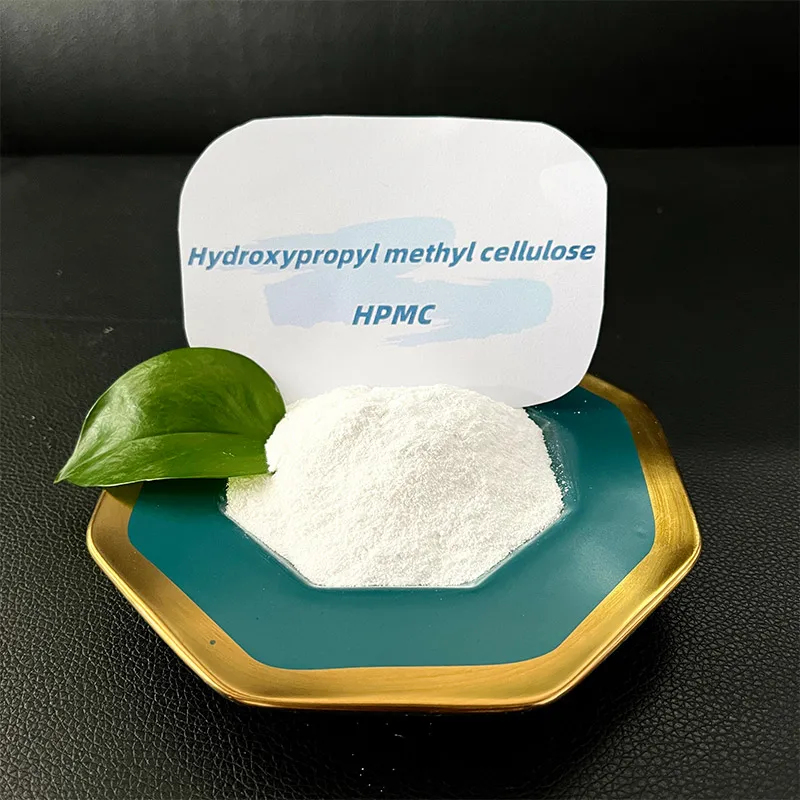


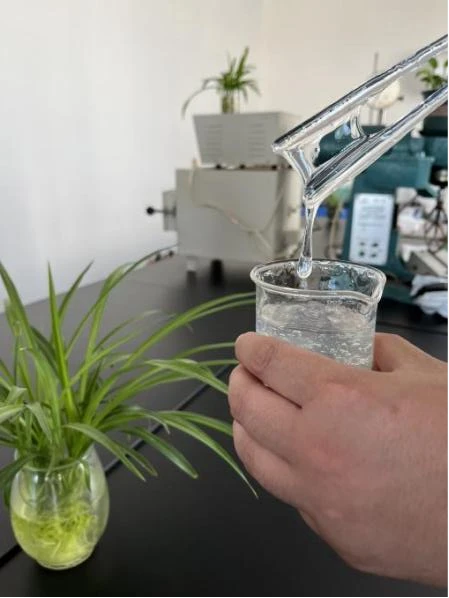


HPMC K 100 M, short for Hydroxypropyl Methylcellulose, is a versatile polymer widely used across industries like pharmaceuticals, construction, personal care, and food. From a professional lens, it’s imperative to understand the multi-faceted applications and the experience of its effectiveness in diverse sectors. As a high-viscosity grade of HPMC, K 100 M is particularly recognized for its unique properties, providing thickening, emulsifying, and film-forming capabilities that outperform many traditional ingredients. In the pharmaceutical industry, HPMC K 100 M is a cornerstone . This polymer is predominantly used as a binder and hydrophilic matrix material in tablets. Its exceptional gel-forming ability upon contact with water aids in controlling the release of drugs, making it an indispensable component in the formulation of sustained-release tablets. Experts have noted that its consistent performance significantly improves patient compliance and therapeutic efficacy, as drug release can be meticulously controlled over extended periods. HPMC K 100 M excels in the field of construction, offering enhanced water retention and workability in building materials. Its application in cement, plaster, and tile adhesives ensures that workability is greatly improved, and setting times are optimized, which is crucial for large-scale construction projects. As experienced contractors and engineers suggest, using HPMC ensures consistency and performance stability, leading to reduced material costs and improved structural integrity. The polymer’s ability to enhance sag resistance and facilitate easier application further underscores its indispensability in modern construction practices. hpmc k 100 m In personal care products, HPMC K 100 M is lauded for its non-toxic, biodegradable nature, enhancing both safety and compliance with stringent regulatory standards. This cellulose ether is utilized as a thickener and binder in skincare and haircare products. Beauty industry experts highly regard its film-forming properties that provide a smooth, evenly distributed application for lotions and creams, enhancing the skin's feel and protecting it from irritants. Innovators in personal care formulations emphasize its hypoallergenic nature, which is a crucial factor in products designed for sensitive skin types. Moreover, the credibility of HPMC K 100 M in food applications cannot be understated. It's used as an emulsifier, thickener, and stabilizer in various food products, including dairy and bakery items. This polymer enhances texture and mouthfeel while maintaining the structural integrity of products during freezing and thawing processes. Food scientists advocate HPMC K 100 M for its ability to act as a vegetarian alternative to gelatin, expanding the scope of product offerings and catering to a wide demographic seeking plant-based options. In conclusion, the manifold applications of HPMC K 100 M in diverse industries underscore its expertise and authoritative standing among polymers. Those with comprehensive experience using HPMC K 100 M consistently report marked improvements in product quality and process efficiency. Its unmatched versatility, combined with the expertise of professionals across sectors, ensures HPMC K 100 M remains a trusted, authoritative choice. Its reliability as a product ingredient, supported by substantial empirical application and industry accolades, reinforces its trustworthiness in the eyes of manufacturers and consumers alike.
- 40000tons

Production
- 20+years

Experience
- 5000+㎡

Acreage

-

Starch Ether for Dry Mortar An Innovative Component in Construction Chemistry In the realm of construction, particularly in the field of dry mortars, the quest for improved performance, workability, and sustainability is a constant endeavor. Among the various additives utilized in the formulation of dry mortars, starch ether has emerged as a key component, revolutionizing the way we approach construction materials. This article will delve into the significance of starch ether, its properties, benefits, and applications in the building industry. Understanding Starch Ether Starch ether is a modified form of starch that has been chemically altered to enhance its performance characteristics. It is derived from natural starch sources, such as corn, potatoes, or tapioca, and then treated to introduce ether groups. This modification significantly increases its solubility in water and improves its thermal stability, making it an excellent additive for dry mixes. The Functionality of Starch Ether in Dry Mortars When incorporated into dry mortars, starch ether serves multiple functions that contribute to the overall performance of the mixture. The primary roles of starch ether include 1. Fluidity Improvement Starch ether enhances the workability of mortar mixtures by improving their fluidity. This is particularly beneficial for various applications where a consistent and smooth application is crucial, such as in tile adhesives, plaster, and rendering mortars. 2. Water Retention One of the most significant advantages of starch ether is its ability to retain water within the mortar mix. This property is vital for maintaining optimal hydration levels during the curing process, which subsequently enhances the strength and durability of the setting mortar. 3. Adhesion The use of starch ether increases the adhesive properties of mortars, ensuring that they bond securely to various substrates. This is essential for applications that require a strong bond, such as ceramic tiles or other decorative materials. . 5. Cohesion Cohesion between particles in the mixture is enhanced with the addition of starch ether. This contributes to the overall strength of the mortar once cured, making it less prone to cracking or failure. крахмальный эфир для сухого строительного раствора Environmental Benefits In recent years, there has been a growing emphasis on sustainability in the construction industry. Starch ether, being derived from renewable natural sources, aligns well with these goals. Its use can contribute to reducing the carbon footprint of construction materials, as it replaces some synthetic additives that may be less environmentally friendly. Moreover, the improvements in efficiency and performance can lead to less waste and better resource utilization during the construction process. Applications in Construction Starch ether is utilized across a variety of applications in the construction industry, particularly in - Tile Adhesives The enhanced adhesion and workability offered by starch ether make it ideal for tile adhesive formulations, providing a strong and reliable bond for various types of tiles, including porcelain and ceramic. - Plaster and Render In plaster and rendering applications, starch ether helps achieve a smooth finish while also retaining moisture for a longer period, promoting better curing and increasing the final strength of the product. - Self-Leveling Compounds The flow properties of self-leveling compounds are enhanced with the addition of starch ether, ensuring an even application that fills gaps and provides a stable surface for flooring. - Repair Mortars Starch ether is also beneficial in repair mortars, where it aids in bonding new material to old surfaces, ensuring effective repairs that last. Conclusion As the construction industry continues to evolve, embracing new technologies and sustainable practices, starch ether stands out as a significant innovation in the formulation of dry mortars. Its multifunctional properties not only enhance the performance of construction materials but also align with the increasing demand for environmentally friendly solutions. The integration of starch ether in dry mortars thus represents a promising advancement, paving the way for improved construction practices and higher-quality finishes.
-
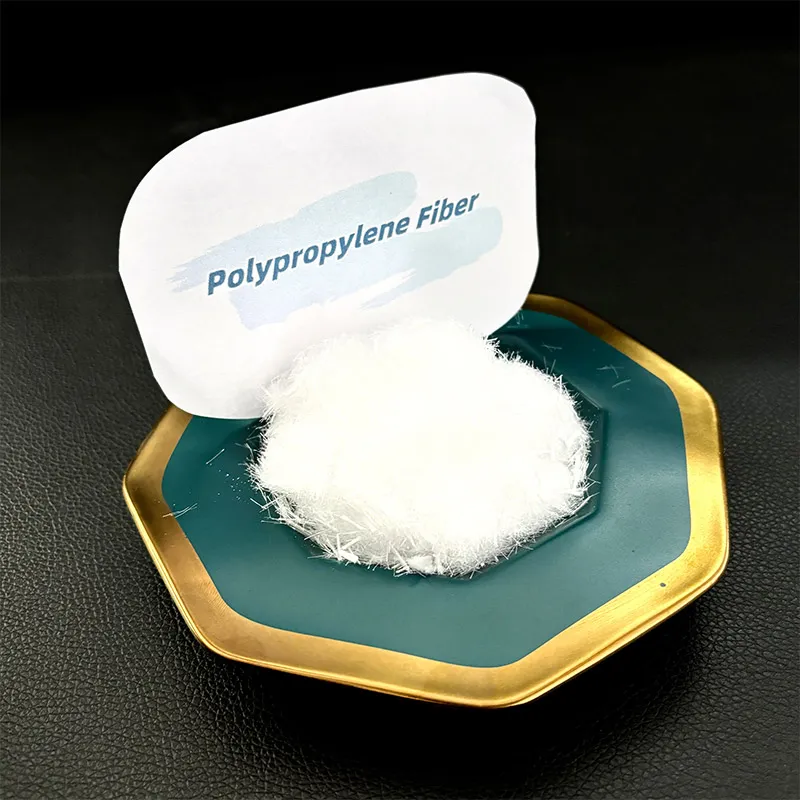
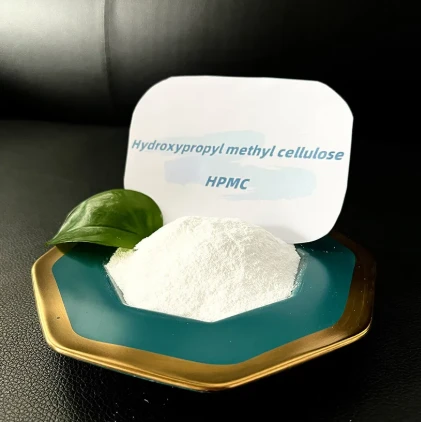
The Versatile Uses of Hydroxypropyl Methylcellulose Hydroxypropyl methylcellulose (HPMC) is a synthetic polymer derived from cellulose, a natural polymer found in the cell walls of plants. As a non-ionic, water-soluble substance, HPMC exhibits a range of properties that make it valuable across various industries, including pharmaceuticals, food, construction, and cosmetics . This article explores the diverse uses of hydroxypropyl methylcellulose and its significance in modern applications. Pharmaceutical Applications In the pharmaceutical industry, HPMC is primarily used as a thickening agent, binder, and film-forming agent in tablet formulations. Its ability to form gels when mixed with water makes it ideal for creating controlled-release drug formulations. This property is particularly beneficial for medications that require a gradual release of active ingredients over an extended period, enhancing therapeutic effects while minimizing side effects. HPMC is also widely used in ophthalmic preparations. Eye drops, gels, and ointments formulated with HPMC provide moisture retention and lubricating effects, which are essential for treating dry eye conditions and ensuring comfort in contact lens wearers. Additionally, HPMC assists in stabilizing emulsions and suspensions, ensuring consistent dosage delivery. Food Industry Applications The food industry reaps the benefits of HPMC for its thickening, emulsifying, and gelling properties. It is commonly used in low-fat and gluten-free products as a fat replacer and to improve texture and mouthfeel. HPMC enhances the consistency of sauces, dressings, and gravies, providing a desirable viscosity without adding extra calories. Moreover, it acts as a stabilizer in various food products, helping to maintain emulsions, thereby improving shelf life and product stability. In the realm of baking, HPMC is utilized as a gluten substitute, allowing manufacturers to create gluten-free baked goods that retain a similar texture to their gluten-containing counterparts. This is particularly important for individuals with celiac disease or gluten sensitivities, offering them safe and enjoyable food options. uses of hydroxypropyl methylcellulose Construction Industry Applications In construction, HPMC is an essential additive in cementitious materials, such as mortar and plaster, improving workability and reducing water usage. Its adhesive properties enhance the bonding of materials, making it an excellent choice for tiling adhesives and joint compounds. Furthermore, HPMC helps to improve the open time of these products, allowing for more precise application and adjustment during construction processes. As a water-retaining agent, HPMC contributes to the prevention of cracking and shrinkage in concrete. This is especially vital in hot and windy conditions, where rapid evaporation of water can compromise the integrity of concrete structures. By ensuring optimal moisture retention, HPMC promotes stronger and more durable construction materials. Cosmetic Applications In the cosmetics industry, HPMC serves as a thickening agent and stabilizer in various formulations, including lotions, creams, and gels. Its ability to retain moisture makes it a popular choice for skin care products, promoting hydration and improving the overall texture of the product. HPMC is also used in hair care products, where it functions as a conditioning agent, enhancing the manageability and shine of hair. Additionally, HPMC's film-forming properties make it suitable for use in color cosmetics, such as foundations and mascaras, helping to create a smooth, even application. Its non-ionic nature also reduces the risk of skin irritation, making it a safe option for sensitive skin types. Conclusion The versatility of hydroxypropyl methylcellulose makes it a valuable ingredient across multiple industries. From its critical role in pharmaceuticals and food products to its applications in construction and cosmetics, HPMC demonstrates a unique ability to enhance product performance and consumer satisfaction. As research continues to explore new applications and formulations, HPMC's significance in industrial and everyday products is likely to grow, underscoring the importance of this multifunctional polymer in modern society.
advantages
-

200000 Viscosities
Excellent product
We can produce pure products up to 200,000 viscosities
-

40000 tons
High yield
We don’t stop production all year round, and the annual output can reach 40,000 tons
-

24 hours
Quality service
We provide 24-hours online reception service, welcome to consult at any time
———— Inquiry Form
Schedule A services
-
 rubber_accelerator_free_gloves
Oct . 25, 2025
Heat-resistant synthetic fibers have emerged as a game-changer in a variety of industries, from text -
 hpmc_full_form_in_pharma
Oct . 25, 2025
The unique behavior of starch ether in construction chemistry stems from deliberate modifications to -
 hpmc_buy_online
Oct . 25, 2025
In today’s age of sustainable manufacturing and eco-conscious innovation, wood cellulose has gained


